
Introduction
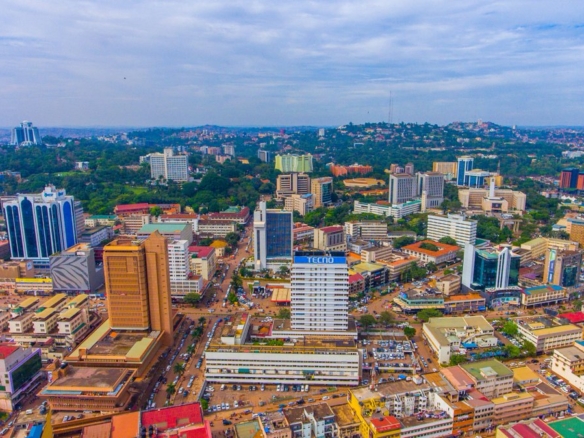
The real estate sector in Uganda is evolving rapidly. Government‑backed urban planning and sustained economic growth have turned cities like Kampala, Entebbe and Jinja into vibrant investment hubs. According to a July 2025 report by Business Times, urban expansion, infrastructure investments and growing demand for residential and commercial spaces have made real estate one of the country’s fastest‑growing business sectors. This article explores the drivers behind the boom and pinpoints promising investment hotspots for 2025.
Market overview and housing deficit
Uganda’s property sector is underpinned by a significant housing shortfall. A mid‑2025 study by Rentalynk notes that the country faces a national housing deficit of around 2.4 million units and needs to deliver more than 210,000 new homes annually to keep pace with population growth. Kampala’s formal housing stock remains limited, particularly in fast‑growing suburbs like Kira, Najjera and Namugongo. Rising demand, combined with limited supply, has driven prices up: housing prices in Kampala rose 8–12 per cent during 2025, while luxury neighbourhoods such as Lubowa, Bugolobi and Mbuya recorded 15–20 per cent annual appreciation. Rental yields vary by segment; mainstream residential areas average 3.7–6.4 per cent, whereas prime properties in areas like Kololo and Ntinda can achieve 8–10 per cent. Investors should be aware that serviced apartments and short‑term rentals have seen rising demand, with serviced apartments in Kampala and Nairobi experiencing a 12 per cent increase in demand in 2024.



1. Expanded Drivers of Growth
-
Rapid urbanisation and demographic pressure: Uganda’s urban population is growing at one of the highest rates in Africa, driven by rural‑to‑urban migration and a youthful demographic. Every year tens of thousands of people move to Kampala and other regional cities in search of jobs, pushing up demand for affordable rentals and homeownership. This structural trend underlies the persistent housing shortage.
-
Economic stability and investor confidence: Sustained GDP growth and relative macroeconomic stability have attracted domestic and foreign investors. Rental yields and capital appreciation have outperformed some other asset classes, offering a hedge against inflation. Uganda’s is projected to remain around 0.2 per cent annually over five years, making real estate an attractive store of value.
-
Infrastructure development and mega projects: Infrastructure continues to be a primary catalyst. The Kampala–Mpigi Expressway, ongoing road widening around Entebbe and the planned Bukasa Inland Port are unlocking new corridors for growth. Properties near major expressways often command premiums of 20–30 per cent. Peripheral districts like Mpigi, Nansana, Mukono, Gayaza and Namugongo, once considered remote, have become attractive thanks to improved accessibility. Government allocations of UGX 5.698 trillion to the Ministry of Works and Transport for the 2025/26 fiscal year underscore the commitment to building roads and bridges.
-
Digital transformation: Beyond concrete, the industry is embracing technology. Searches on property portals such as Lamudi, Realtor, RealEstateDatabase and the National Land Information System have surged, and buyers increasingly rely on virtual tours, online payments and geospatial systems. Platforms like RealEstateUganda.net provide verified listings, video walkthroughs and data‑driven pricing, streamlining transactions and reducing fraud.
-
Diaspora remittances and investment: Ugandans living abroad are fuelling demand. Between January 2023 and January 2024, diaspora remittances injected USh5.5 trillion into the economy, a significant portion of which went into real estate and infrastructure. Analysts estimate the diaspora accounts for 30–40 per cent of real estate demand. Many diaspora buyers favour land or affordable apartments over ready‑made luxury houses and prefer freehold or private mailo titles to leasehold. Budgets often start at USh50 million for land purchases, and many investors build gradually. The shift toward peri‑urban areas like Entebbe, Mukono, Kira and Gayaza is especially pronounced.
-
Government policies and regulatory reforms: The proposed Real Estate Bill 2024 aims to professionalise the sector, introduce mandatory licensing and protect consumers. As of mid‑2025 the bill remained stalled in Parliament, creating uncertainty about implementation timelines. Nevertheless, other initiatives—such as improved cadastral systems and digital title searches—are enhancing transparency.
-
Sector diversification: Beyond residential, investors are exploring industrial and logistics real estate. Demand for warehousing remains robust due to e‑commerce growth and the expansion of industrial parks near Namanve, Mukono and Jinja. Hospitality and holiday homes along Lake Victoria and in national park corridors (e.g., Hoima, Kasese) offer niche opportunities, especially as oil development attracts foreign contractors and expatriates.
-
Risks and challenges: Despite optimism, challenges persist. High construction costs, expensive financing and land tenure complexities hamper supply. Oversupply in the commercial office segment has pushed tenants toward repurposed residential space in Bukoto and Ntinda. Fraud and property disputes remain a significant threat: Real Muloodi warns that lack of due diligence and title verification are leading causes of diaspora losses. Regulatory fees and taxes may also increase costs for developers.
1. Drivers of Growth
-
Rapid urbanisation and population growth: Uganda’s urban population is growing at one of the highest rates in Africa; this demographic shift is creating a pressing need for housing, retail spaces and public amenities.
-
Economic stability and investor confidence: Steady GDP growth and government support have bolstered investor confidence. As incomes rise, home ownership becomes more attainable and developers launch large‑scale projects.
-
Infrastructure development: New roads, highways and flyover projects are improving connectivity across urban and peri‑urban areas. Upgraded utilities such as electricity and water supply and smart city initiatives further support real estate growth.
-
Diaspora investment: Many Ugandans living abroad are investing in property for retirement, security and rental income. Key zones attracting diaspora buyers include Najjera, Lubowa, Munyonyo and Akright City.
-
Affordable housing initiatives: Developers are responding to demand from middle‑income households by building affordable homes in satellite towns like Wakiso District (Namugongo, Nsasa), Mpigi and Mukono.
2. Emerging Hotspots
Central Kampala:
-
Naguru: Upscale neighbourhood popular with expats and diplomats; offers high‑end apartments with city views and strong rental returns.
-
Kololo: Kampala’s prime luxury district with modern condominiums, gyms and pools.
-
Bukoto: Central and modern; increasing demand for studio and two‑bedroom apartments with good rental potential.
Satellite towns and suburbs:
-
Kira: Fast‑growing suburban choice with affordable apartments, gated communities and family‑friendly neighbourhoods.
-
Ntinda: Affordable yet growing area ideal for first‑time buyers and young professionals.
-
Muyenga: Peaceful hilltop suburb with panoramic views, suitable for families and long‑term investors.
-
Mukono & Mpigi: Benefiting from the Namanve Industrial Park and new transport links; property values are expected to appreciate steadily.
-
Gayaza & Kyengera: Improved access from flyover projects makes these areas increasingly attractive for commuters.
3. Investment Tips
-
Research infrastructure plans: Prioritise areas near ongoing projects (e.g., Namanve Industrial Park) to benefit from future price appreciation.
-
Balance luxury and affordability: Luxury districts like Kololo offer stable but moderate growth, while suburbs like Kira and Ntinda provide higher appreciation potential.
-
Evaluate rental demand: Locations close to universities, hospitals and business districts typically yield higher rental returns.
-
Work with verified agents: Choose agents who understand local regulations and can conduct due diligence on titles and land tenure.
4. Sector outlook for the second half of 2025 and beyond
Analysts remain cautiously optimistic. Credo’s mid‑year review projected that property values in Kampala could rise another 8.12 per cent by the end of 2025. Mixed‑use developments are expected to proliferate in peripheral districts like Wakiso and Jinja as infrastructure improves. The industrial and logistics segment should remain stable due to persistent warehouse demand, while high‑grade office supply may be slow to recover. Investors should monitor the Real Estate Bill’s progress and any changes to tax regimes. Long‑term fundamentals—population growth, urbanisation, infrastructure and remittance inflows—suggest continued opportunity in Uganda’s property market.
Conclusion and CTA (updated)
Uganda’s real estate market in 2025 is characterised by robust demand, significant supply gaps and a growing array of investment corridors. Whether you’re interested in prime luxury neighborhoods like Kololo and Lubowa, emerging corridors along the Kampala–Mpigi expressway or affordable satellite towns such as Kira and Mukono, understanding macro drivers and local dynamics is essential. Take advantage of infrastructure‑driven appreciation, diversify across asset classes, and always perform due diligence. Readers can explore up‑to‑date listings and market analysis on RealEstateUganda.net, where verified agents and data‑driven tools help buyers and investors navigate this dynamic market with confidence.



Join The Discussion